Something has been changing quietly for about a decade, and most of travel hasn't caught up to it yet. 23.5 million Americans are in recovery — and millions more are drinking less, on purpose. Here is why the sober traveler isn't a niche, and why the best trip is the one you actually remember.
More travelers than ever are choosing to experience cities without alcohol — not because they have to, but because they want to.
The Shift
Something has been changing quietly for about a decade, and most of travel hasn't caught up to it yet.
It didn't start with recovery, though recovery is part of it. It started somewhere closer to exhaustion — a collective, low-grade tiredness with things that promise a good time and deliver a bad morning. Wellness tourism grew out of that. So did the sudden cultural fluency around longevity — sleep scores, cold plunges, the quiet realization that how we feel tomorrow is worth something today.
Dry January stopped being a resolution and became a rehearsal. People tried a month, noticed they liked their own company at 9am, and didn't fully go back. The alcohol-free spirits aisle went from a sad little shelf to an actual category, because enough people asked for it. Younger travelers, statistically, are drinking less than the generations before them — not as a stance, mostly, but as a preference.
And underneath all of it is something simpler: people want the trip to be real. Not curated toward a hangover they'll spend a day recovering from. Not a blur they remember in fragments. They want to remember the trip.
None of this is a niche. It's a shift in what a good trip is supposed to feel like.
The Numbers
The scale of this is easy to underestimate until you sit with it for a second.
23.5 million Americans identify as being in recovery.
That's roughly 1 in 11 adults.
And that number doesn't include the much larger group who haven't stopped entirely — who are simply drinking less, more intentionally, more rarely, and thinking harder about it than they used to.
This isn't a subculture. It's a sizable, growing share of every plane, every hotel lobby, every dinner reservation.
Why Hotels Should Care
Here's the part almost nobody is writing about.
A guest who doesn't drink still wants the best bakery in the neighborhood. They still want the dinner that makes them close their eyes for a second. They want the coffee shop the locals actually go to, the bookstore that smells like it hasn't changed in twenty years, the park bench with the view no one puts on a postcard, the street that surprises them.
They are not looking for less of a trip.
They're looking for a different one.
That distinction changes the whole question. It's not "what do we take away from the sober guest's experience." It's "what have we never bothered to build for them in the first place" — because for a long time, the entire architecture of hospitality assumed the good time lived at the bottom of a glass. It never fully asked what else a city was offering, in the daylight, on foot, with a clear head.
That's the market almost nobody has designed for. And it's not small.
Why Sober in San Francisco Exists
I didn't set out to write a guidebook.
I set out to survive a period of my life that had gone very quiet — COVID, mostly, and everything it did to the ordinary scaffolding of a day. I've been sober for almost thirty years now, which meant I already knew something about building a life without the usual social crutch. But even I had to relearn how to be somewhere. How to walk a city on purpose instead of just passing through it.
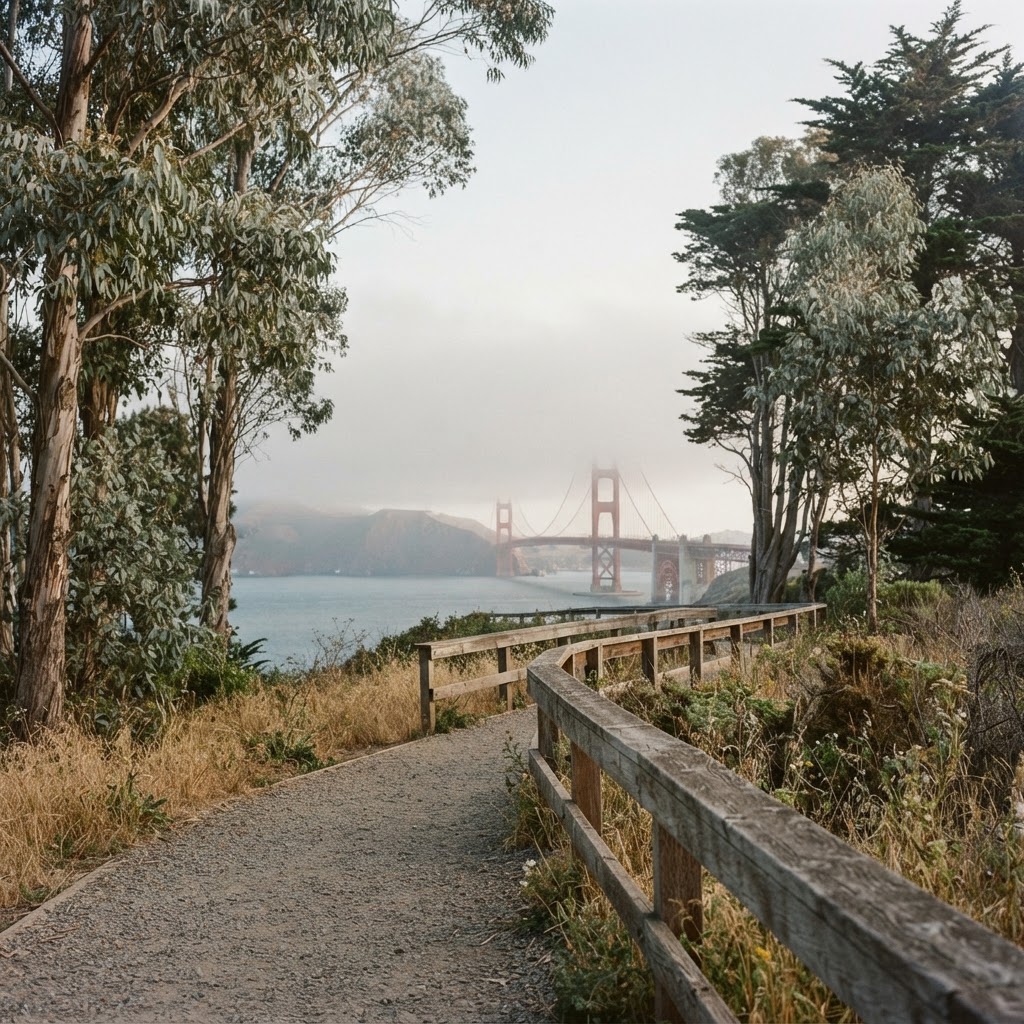
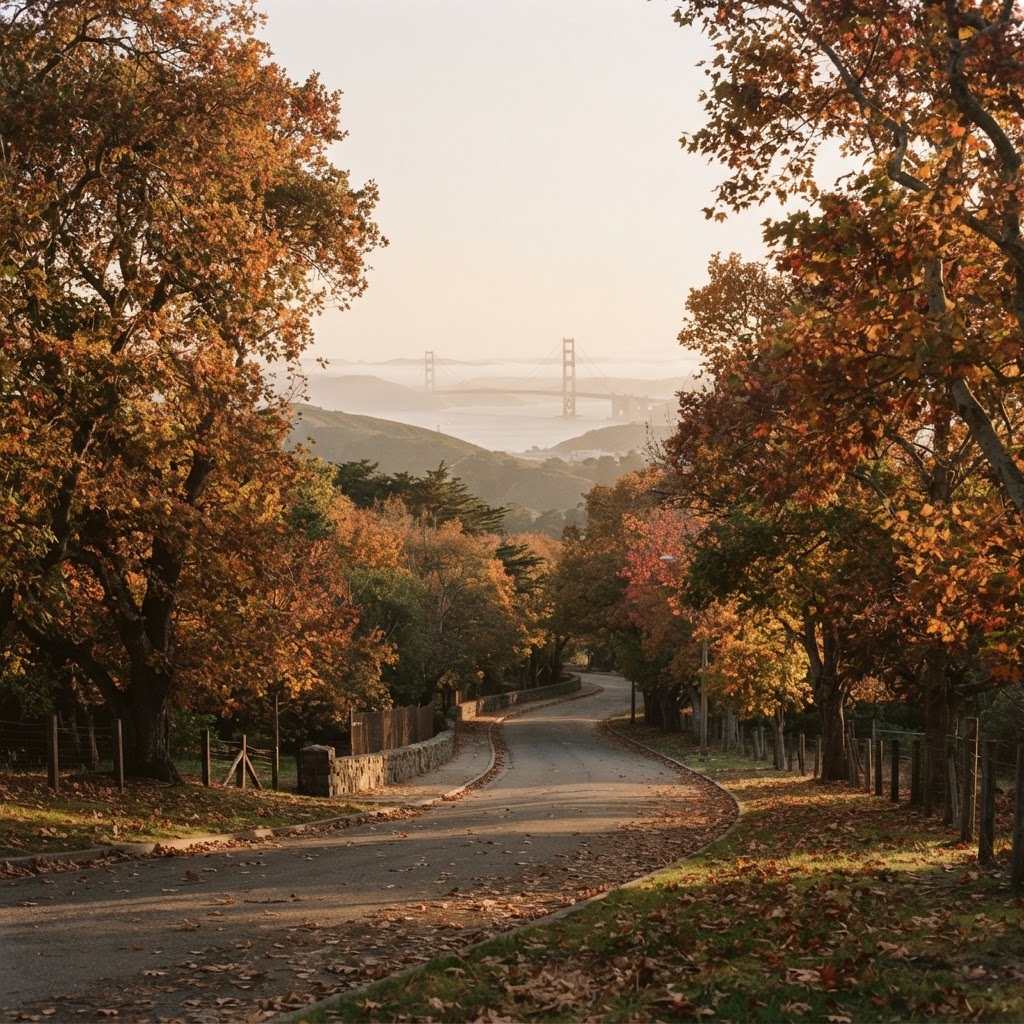
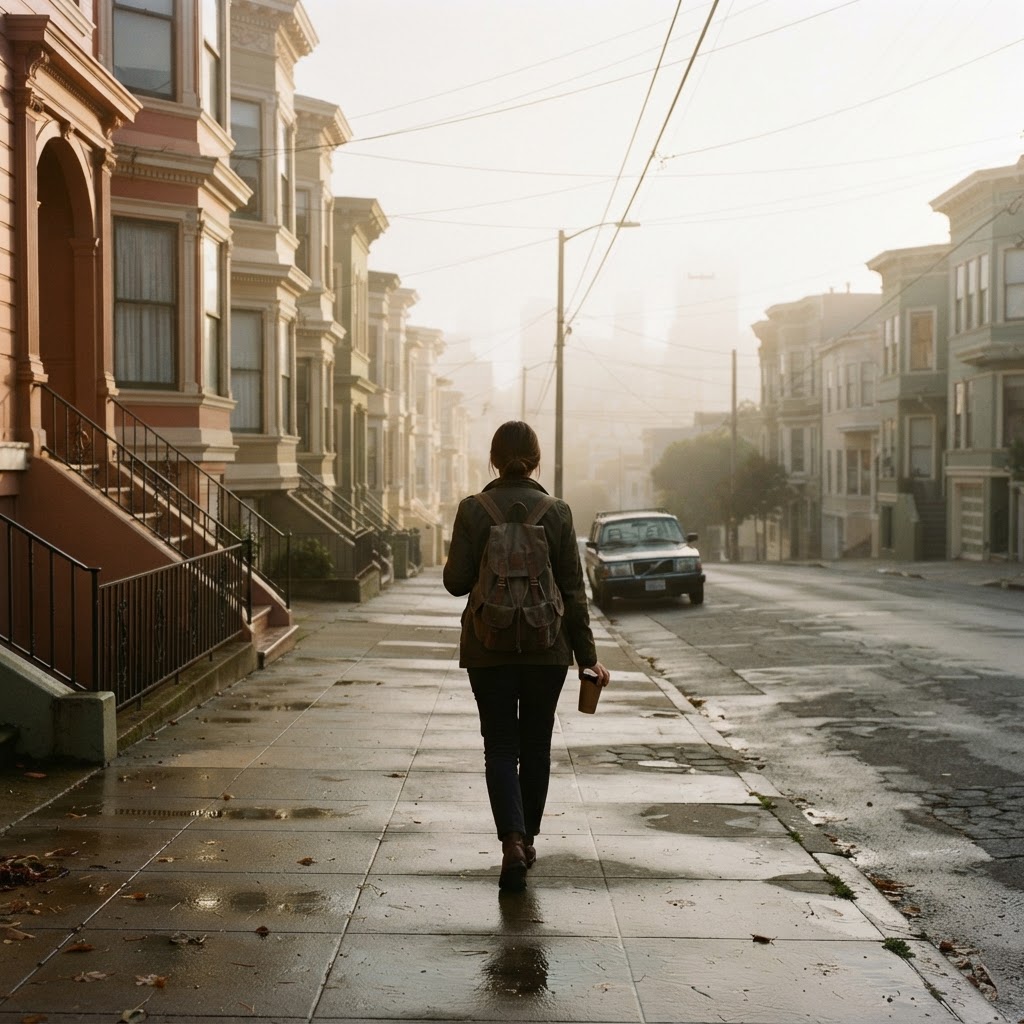
So I walked. San Francisco, mostly — the fog coming in off the ocean, the light changing on a building I'd driven past a hundred times without once looking up. I started noticing things I'd never noticed, because I'd never had a reason to slow down enough to see them.
The guide grew out of that. Not a market study. Not a gap I identified on a spreadsheet. A city I actually walked, slowly, sober, paying attention — and the growing sense that other people were craving exactly that kind of attention, and hadn't been given a way in.
If you're visiting San Francisco, start here.
The Guides Hold More
This is where the story ends — but not where the city does. The Quiet City Guide holds the routes, the timed itineraries, and the quiet corners I couldn't fit here. It's your official adventure, carried in your pocket.
— Lane