The short answer isn't the true one. It's just the one that fits in the time it takes someone to reach for their glass.
Someone asked me this at a dinner party recently, in the tone people use when they're trying to be polite about something they don't quite understand.
"So what does that actually mean? Sober curious travel?"
I gave the short answer, the one that fits in a sentence at a dinner party. Traveling without alcohol as the center of the experience. She nodded, satisfied, and the conversation moved on to something else.
But the short answer isn't the true one. It's just the one that fits in the time it takes someone to reach for their glass.
The Word "Curious" Is Doing More Work Than You'd Think
Most of the language around not drinking is built out of absence. Sober. Dry. Alcohol-free. Every one of those words describes a trip by what's missing from it — which is a strange way to describe anything you actually want to go on.
"Curious" doesn't work that way. Curious isn't the absence of something. It's the presence of attention.
This is the part that took me years to understand about my own life, long before I ever thought about it in terms of travel. Early sobriety, for almost everyone I've ever talked to, gets narrated as subtraction. What you gave up. What you're missing. What used to be there and now isn't. And if that's the whole story, of course it sounds smaller than the life before it.
Sober curious travel is what happens when the story flips. Not what am I giving up on this trip. What am I actually going to notice, now that I'm not managing a glass, a hangover, or the particular math of when the next drink is coming.
What This Looks Like, Practically
Not a trip with the bars edited out. A trip built around a different center of gravity entirely.
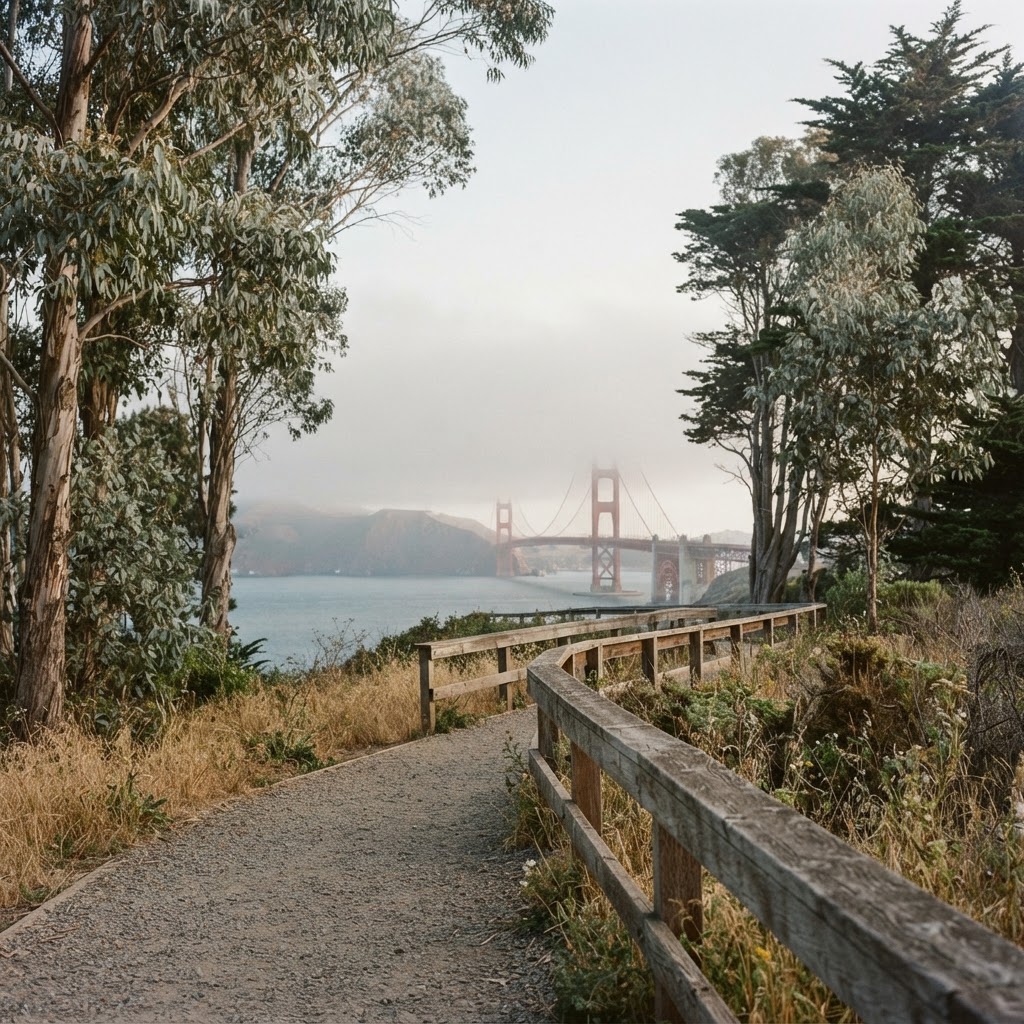
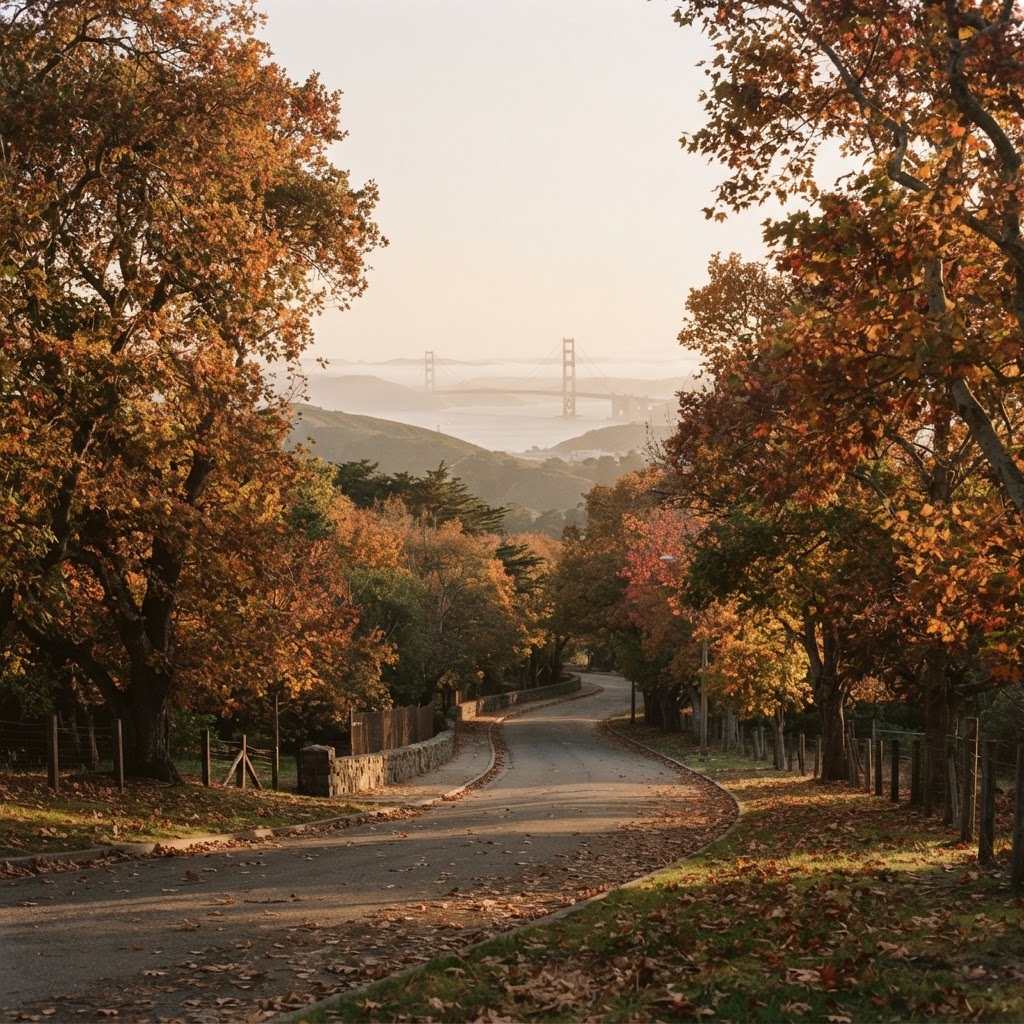
The old itinerary was built around evenings — dinner, then drinks, then the version of a city that only shows up after eleven. Sober curious travel tends to reorganize around mornings instead. The version of a place that exists before it's performing for anyone. Fog before it burns off. A market before the crowds. A trail before the parking lot fills.
It's not a harder version of the same trip. It's a different trip, with different hours doing the emotional work.
Best For isn't really a category of traveler, either, though it gets treated like one. It's for the burned-out person who needs the decisions to stop for a few days. The person moving through grief who can't handle a loud room. The person newly sober who doesn't know yet what a vacation looks like without the thing that used to organize every evening of one. The person who was never a big drinker at all, and just wants a trip with more mornings in it and fewer mornings recovering from the night before.
None of those people need the same itinerary. They need the same permission.
Why I Built the Series This Way
Sober In San Francisco is the first place I tried to write this down properly — not as an idea, but as an actual map through an actual city. One built around a single feeling per stop instead of a checklist of things to see. Ocean Beach for feeling smaller than your problems for an hour. Lands End for the kind of perspective you only get by walking uphill for it.
San Francisco was first because it's the city I know at every hour, in every mood. But the idea was never to write one guide. It's to build the same way of paying attention and let it travel — to London next, and after that, to cities I haven't walked yet myself.
The point was never the absence of a drink. It never really was. The point was always attention — the thing a glass in your hand quietly excuses you from having to give.
What would you actually notice on your next trip, if nothing was there to soften the noticing?
The Guides Hold More
This is where the story ends — but not where the city does. The Quiet City Guide holds the routes, the timed itineraries, and the quiet corners I couldn't fit here. It's your official adventure, carried in your pocket.
— Lane
Local Tip
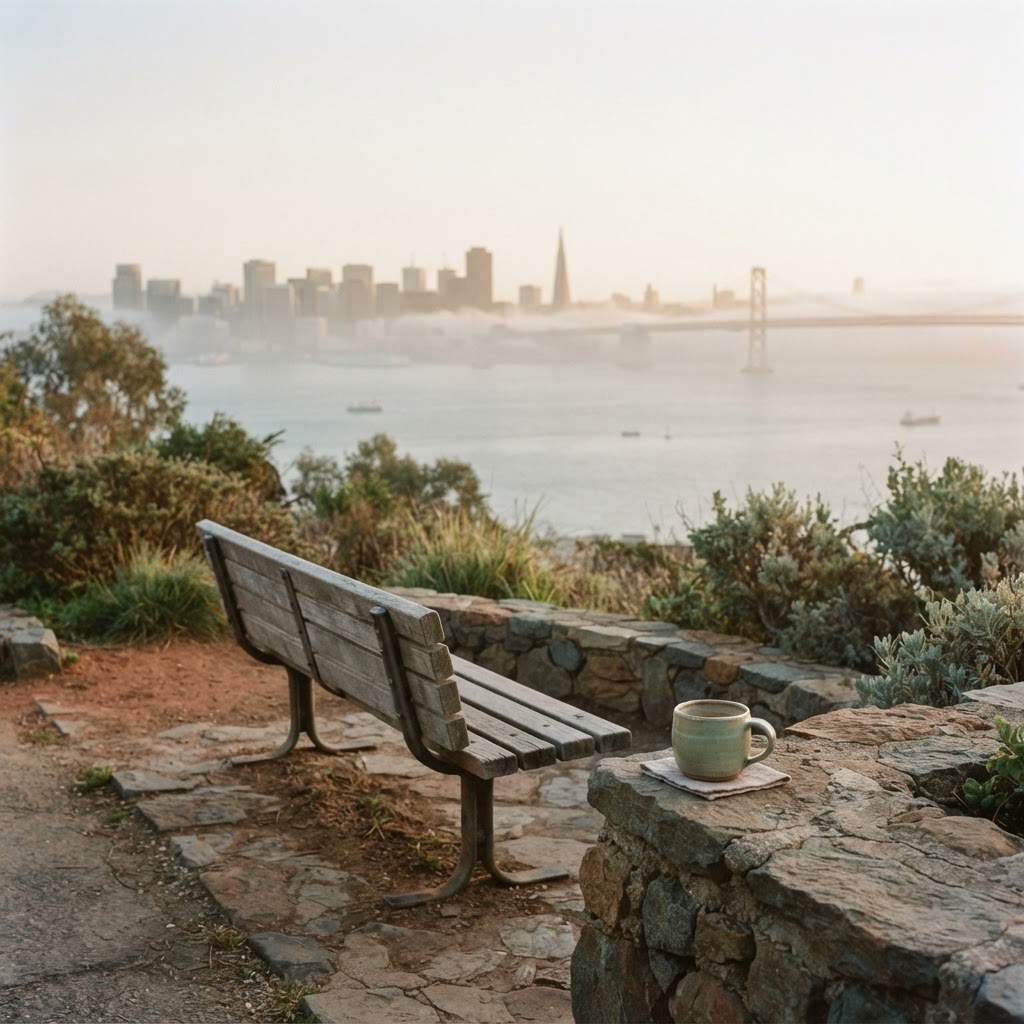
If you're trying sober curious travel for the first time, start with mornings. Plan the first three hours of your day before you plan anything else — a walk, a market, a quiet bench. The rest of the itinerary will reorganize itself around those hours naturally.
I didn't build Sober In San Francisco as a guide for people who don't drink. I built it as a guide for people who want to actually be where they are. The absence of the drink was never the point — the attention was. If you're reading this and wondering whether this kind of travel is for you, the answer is almost certainly yes.
— Lane
Questions & Answers
What does sober curious travel mean?
Sober curious travel is traveling without alcohol as the center of the experience. It's not about what's missing from the trip — it's about what you actually notice when you're not managing a glass, a hangover, or the timing of the next drink. The word 'curious' is about the presence of attention, not the absence of alcohol.
Do you have to be sober to try sober curious travel?
No. Sober curious travel is for anyone — the burned-out person who needs decisions to stop for a few days, the person moving through grief, someone newly sober, or someone who was never a big drinker at all and just wants a trip with more mornings in it and fewer mornings recovering from the night before. None of those people need the same itinerary — they need the same permission.
Is San Francisco a good city for sober curious travel?
Yes. San Francisco rewards morning exploration — fog before it burns off, markets before crowds, trails before parking lots fill. The Sober In San Francisco guide is built around a single feeling per stop rather than a checklist, from Ocean Beach to Lands End, designed for travelers who want to reorganize a trip around attention instead of evenings.